
Nice to meet you
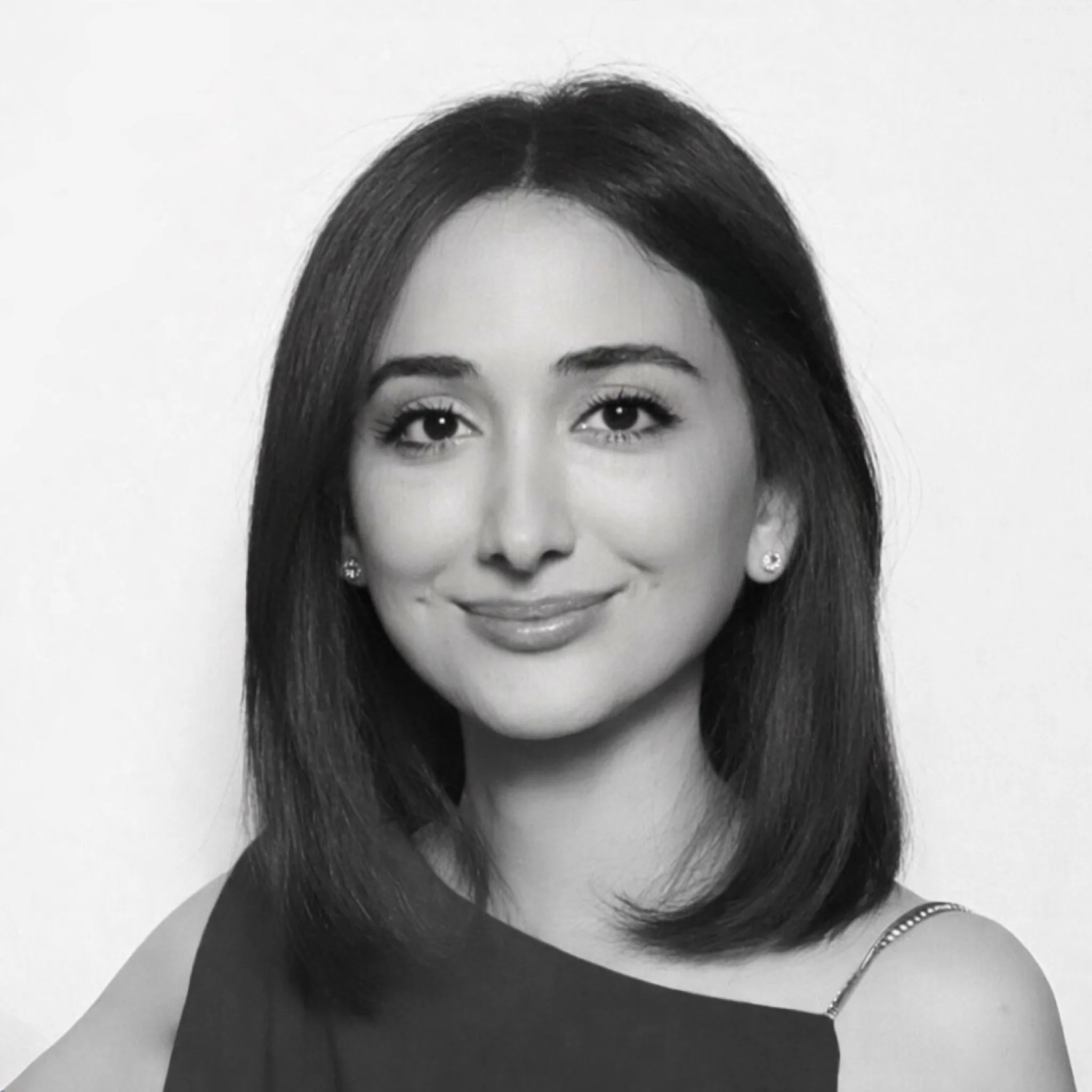
Hi, I’m Jess - a licensed acupuncturist based in NYC, bringing holistic care through acupuncture and herbal medicine.
My path into medicine began through a biomedical lens. I studied biology and physiology at Columbia University and initially planned to pursue osteopathic medicine. I was drawn to whole-person care and understanding not just what symptoms are present, but why the body has shifted from its baseline.
While navigating my own health concerns, I was introduced to East Asian medicine. Its ability to connect seemingly unrelated symptoms into a cohesive pattern reshaped the way I understood healing and ultimately changed the direction of my work.
I completed my training at Pacific College of Health and Science, graduating at the top of my class and receiving the Kamwo Excellence Award. I continued my clinical training at Yinova in New York, focusing on reproductive and hormonal health, and later pursued advanced training in acupuncture for oncology support through Memorial Sloan Kettering.
Rooted in East Asian medicine, my work is guided by the connection between mind, body, and spirit. I integrate traditional medicine with Western science and evidence-based care to support everything from pain concerns to more complex, multi-system conditions. Each treatment begins with understanding what may be contributing to imbalance and includes a plan to support the body both on and off the table.
I have a particular passion for women’s and reproductive health, and I’m equally drawn to general practice because of how interconnected dysregulation can be.
I worked in the beauty industry for several years before pursuing medicine. I’m grateful to honor those experiences by offering holistic facial acupuncture, for which I am certified.
If you’d like to learn more about my approach or have questions, I’d love to connect. Feel free to reach out by email at hello@jessicakhani.com.
A Note on Language
Throughout this site, you’ll see the terms East Asian medicine and Chinese medicine used interchangeably. While rooted in classical Chinese medical theory, this system has evolved through many East Asian traditions. I use both terms to honor that lineage and its interconnected history.
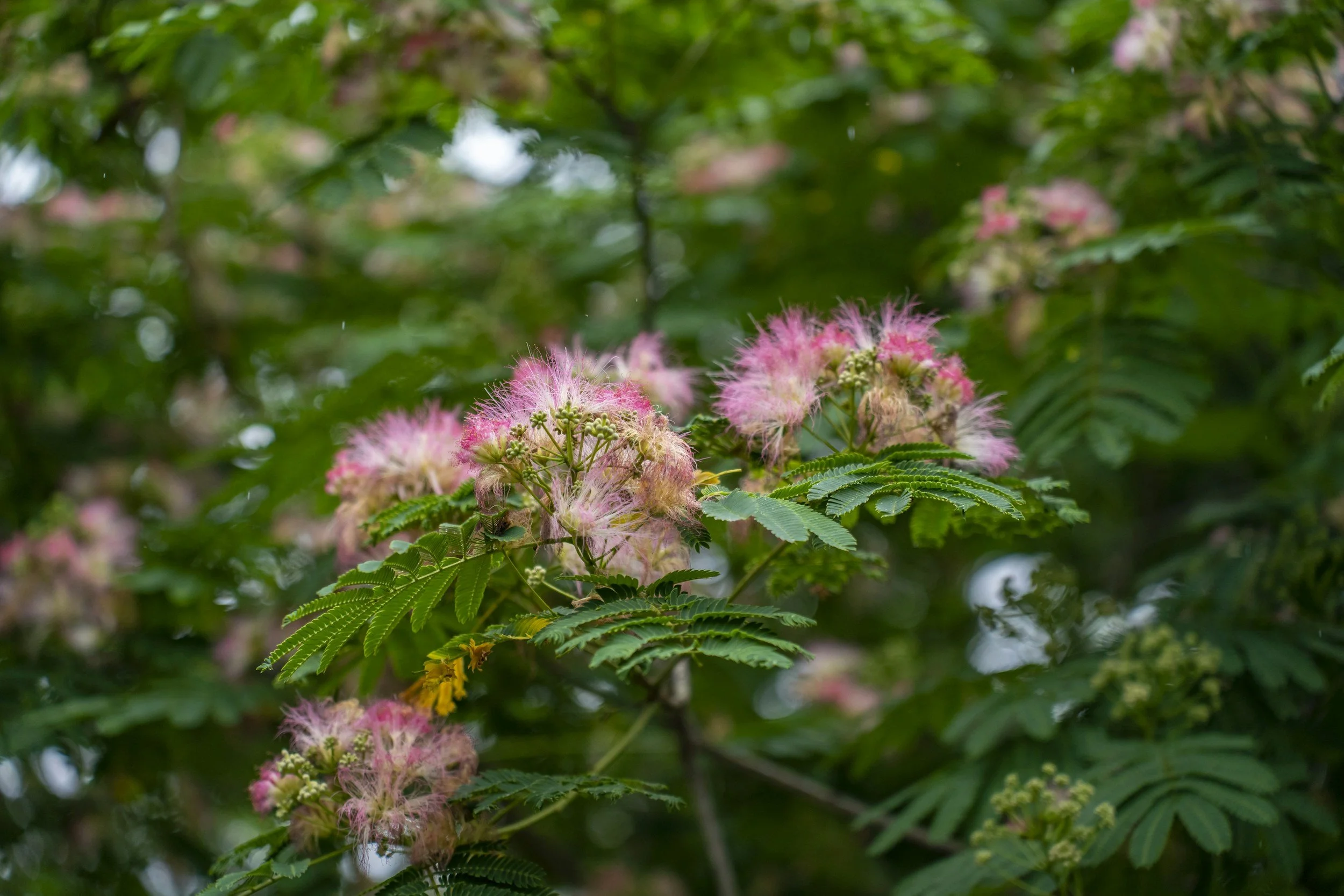
About the Persian Silk Tree
One of my favorite medicinals, and the inspiration behind my logo, is the Persian silk tree. Growing up, I often heard stories about my great-aunt — a gifted healer and herbalist who was known for having “a cure for everything.”
Years later, as I began my own journey into herbalism, I learned that this tree once grew in her backyard. That ancestral connection to the work I was stepping into felt meaningful and aligned.