Frequently asked questions
-
What is acupuncture and how does it work?
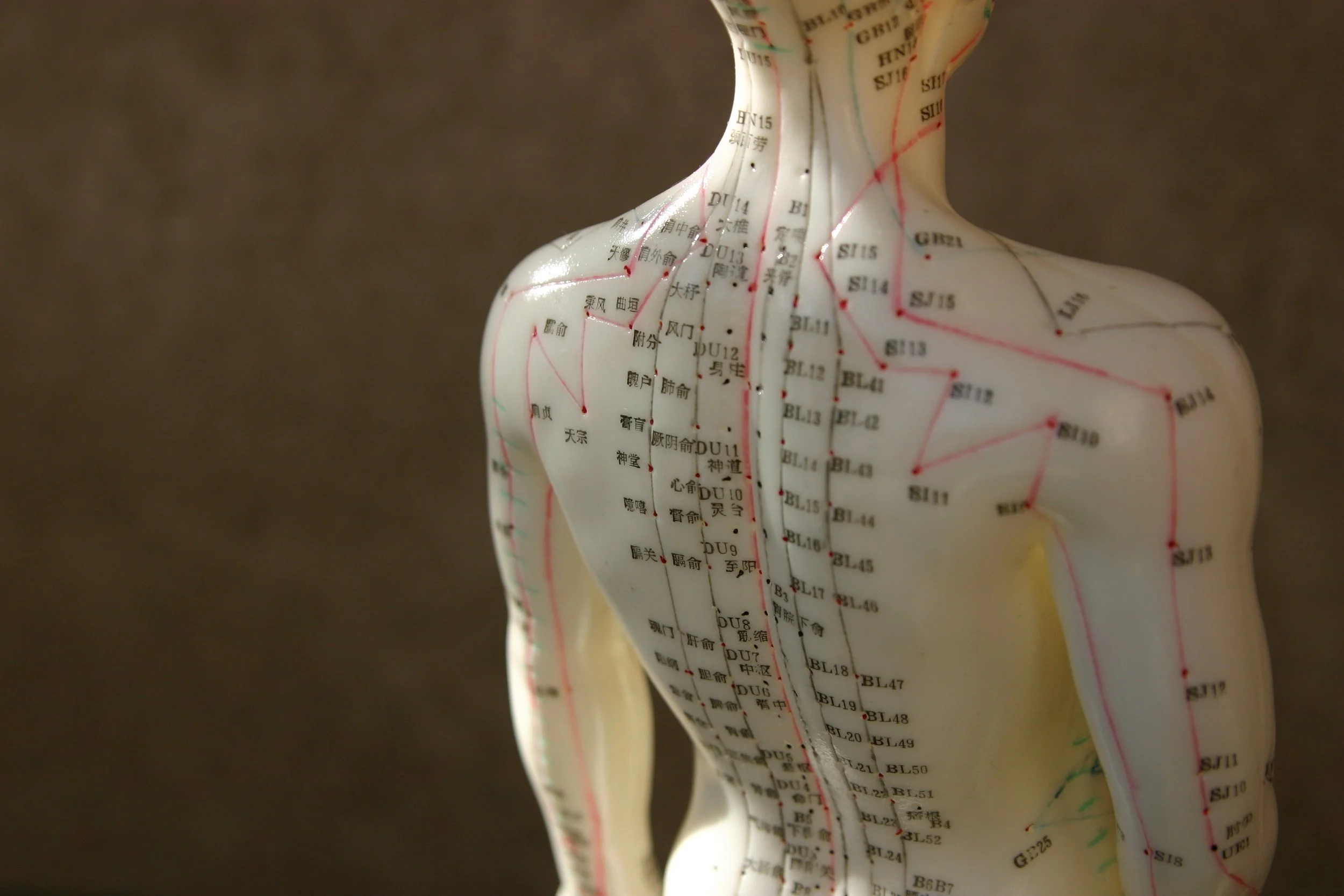
Acupuncture is an ancient healing therapy from Traditional Chinese Medicine that uses ultra-fine, sterile needles inserted at specific points on the body to restore balance and promote natural healing. From a modern perspective, acupuncture regulates the nervous system, improves circulation, and releases endorphins—the body’s natural pain relievers—helping reduce inflammation and support overall wellness.
What Conditions Does Acupuncture Treat?
Acupuncture and herbal medicine can support both acute and chronic conditions, addressing the root cause of imbalance while easing symptoms. Treatments are tailored to the individual and can benefit a wide range of physical and emotional concerns, including:
Pain + Musculoskeletal Health
Neck, back, shoulder, and joint pain
Sciatica, arthritis, and migraines
Sports injuries and recovery
Reproductive + Hormonal Health
Menstrual irregularities, PMS, PMDD
PCOS, endometriosis, perimenopause, menopause
Fertility support, pregnancy, postpartum recovery
Libido and sexual vitality
Urogenital Health
UTIs, yeast infections, pelvic pain
Prostate health, urinary frequency or urgency
Gastrointestinal Health
IBS, Crohn’s disease, ulcerative colitis
Acid reflux, bloating, constipation, food sensitivities
Appetite regulation and gut microbiome balance
Respiratory + Immune Health
Colds, flu, sinus congestion
Seasonal allergies, asthma, chronic cough
Immune system regulation
Mental + Emotional Health
Stress, anxiety, depression, grief, transitions
Insomnia and sleep disturbances
Fatigue and adrenal depletion
Skin + Circulatory Health
Acne, eczema, rosacea, dull complexion
Circulation and lymphatic support
Acupuncture can be safely used alongside Western treatments to enhance outcomes, reduce side effects, and promote the body’s natural ability to heal and rebalance.
Does acupuncture hurt?
Most patients find acupuncture to be relaxing and nearly painless. The needles are thinner than a strand of hair, and you may feel only a mild sensation as they’re inserted. It’s normal to experience gentle tingling, warmth, or heaviness—signs that your body is responding. Many people find the session deeply calming and even fall asleep.
What should I expect during my first acupuncture appointment?
Your first visit includes a detailed consultation, discussion of your symptoms, and a holistic assessment. You’ll then relax comfortably as fine, sterile needles are inserted at specific points. The needles remain for about 20–40 minutes, depending on your needs and treatment plan. Each session may vary slightly in length and focus to best support your body’s healing process. Most patients describe the experience as deeply restorative—leaving them feeling calm, grounded, and rebalanced.
How should I prepare for acupuncture?
Eat a light meal or snack before your appointment, and wear loose, comfortable clothing. Afterward, drink plenty of water, rest, and avoid strenuous activity or alcohol for the rest of the day to let your body fully integrate the treatment.
Things to Avoid Before Acupuncture
Alcohol or recreational drugs: These can interfere with your body’s natural energy and reduce treatment effectiveness.
Caffeine and energy drinks: They can overstimulate your nervous system and make it harder to relax.
Heavy meals: While it’s important to eat something before acupuncture, a full stomach can cause discomfort when lying on the treatment table, and acupuncture may disrupt the digestive process.
Intense physical activity: If you plan to run or work out before your session, leave at least 30 minutes of rest before your appointment so your body can settle.
Strong emotional stress or rushing: Try to arrive a few minutes early and take time to breathe and center yourself.
Dehydration: Drink water before your visit to support circulation and overall balance.
What are the most common side effects of acupuncture?
When performed by a licensed acupuncturist, side effects are mild and temporary. The most common include: mild soreness or tenderness at the needle site, small bruises or redness that fade within a day or two, and slight fatigue or lightheadedness immediately after treatment. These reactions are normal and usually pass quickly. To minimize fatigue or lightheadedness, I recommend eating a light meal or snack before your appointment and staying well-hydrated throughout the day. Serious side effects are extremely rare because sterile, single-use needles and proper clean-needle technique are always used.
How many acupuncture sessions will I need?
The number of sessions depends on your condition, how long you’ve had it, and your health goals. Acute issues may improve in a few visits, while chronic or complex conditions often benefit from weekly or biweekly sessions for several weeks. During your consultation, your plan will be personalized and adjusted as you progress.
What are the benefits of acupuncture?
Acupuncture treats the whole person—body and mind—rather than just symptoms. It has been shown to help with pain (back, neck, joints), stress and anxiety, sleep issues, headaches and migraines, digestive imbalances and fatigue, women’s health and fertility, hormonal balance, and immune support. Regular acupuncture can improve mood, energy, and overall vitality.
Is acupuncture safe?
Yes. Acupuncture is one of the safest holistic therapies when performed by a trained, licensed professional. It’s non-invasive, drug-free, and suitable for most people—including those who are pregnant, undergoing chemotherapy, or taking medications (with appropriate adjustments).
Can I do acupuncture if I’m pregnant?
Yes. Acupuncture is safe and often highly beneficial during pregnancy when performed by a licensed acupuncturist trained in prenatal care. It can help relieve symptoms such as nausea, fatigue, back pain, anxiety, and insomnia, and can support your body’s natural changes throughout each trimester. Certain acupuncture points are avoided during pregnancy, so it’s important to work with a practitioner familiar with prenatal safety.
Can I do acupuncture if I’m receiving chemotherapy?
Yes. Acupuncture can safely support you during chemotherapy and may help ease nausea, fatigue, pain, and stress. However, as a precaution, we avoid using any modalities—acupuncture, cupping, or moxibustion—within 48 hours before and 24 hours after chemotherapy. This allows your body time to process the treatment safely and minimizes sensitivity. Your care plan can be coordinated with your medical team for the most supportive experience.
What are the side effects of chemotherapy and radiation, and how does acupuncture help with the side effects of chemotherapy and radiation?
Acupuncture and herbal medicine offer gentle, integrative support throughout all stages of cancer care. These therapies can help manage side effects of chemotherapy and radiation, ease discomfort, and improve overall wellbeing.
Common Side Effects Addressed
Fatigue and low energy
Nausea, vomiting, and digestive upset
Peripheral neuropathy (tingling or numbness)
Pain and inflammation
Skin irritation from radiation
Sleep disturbances and anxiety
Loss of appetite and changes in taste
How Acupuncture Helps
Acupuncture works to restore balance, strengthen the immune system, and promote recovery. By improving circulation, reducing inflammation, and regulating the nervous system, treatment can relieve pain, boost energy, and support emotional resilience. These therapies are safe to use alongside conventional oncology care and can help enhance comfort, tolerance, and overall quality of life.Can acupuncture be combined with other treatments?
Yes. Acupuncture integrates well with Western care, physical therapy, massage, and herbal medicine. Combining modalities can accelerate recovery and improve overall balance. Always let your practitioner know what therapies or medications you’re using.
-
What is Chinese herbal medicine?
Chinese herbal medicine is a key part of Traditional Chinese Medicine that uses natural plant- and mineral-based formulas to restore balance and harmony in the body. Formulas are tailored to your unique pattern to support concerns like pain, digestion, stress, sleep, fertility, and immune health.
How are herbs prescribed?
After a full consultation, formulas may be provided as granule powder, tea pills, tinctures, or raw herbs. Prescriptions are individualized and adjusted as your condition changes.
How do you ensure the quality and safety of your herbal medicinals?
I source only the highest quality herbal medicinals. All products are tested for identity, pesticide residues, heavy metals, and microbial contamination. I prioritize ethically sourced ingredients and select certified organic products whenever they are available.
What conditions does herbal medicine treat?
Acupuncture and herbal medicine can support both acute and chronic conditions, addressing the root cause of imbalance while easing symptoms. Treatments are tailored to the individual and can benefit a wide range of physical and emotional concerns, including:
Pain + Musculoskeletal Health
Neck, back, shoulder, and joint pain
Sciatica, arthritis, and migraines
Sports injuries and recovery
Reproductive + Hormonal Health
Menstrual irregularities, PMS, PMDD
PCOS, endometriosis, perimenopause, menopause
Fertility support, pregnancy, postpartum recovery
Libido and sexual vitality
Urogenital Health
UTIs, yeast infections, pelvic pain
Prostate health, urinary frequency or urgency
Gastrointestinal Health
IBS, Crohn’s disease, ulcerative colitis
Acid reflux, bloating, constipation, food sensitivities
Appetite regulation and gut microbiome balance
Respiratory + Immune Health
Colds, flu, sinus congestion
Seasonal allergies, asthma, chronic cough
Immune system regulation
Mental + Emotional Health
Stress, anxiety, depression, grief, transitions
Insomnia and sleep disturbances
Fatigue and adrenal depletion
Skin + Circulatory Health
Acne, eczema, rosacea, dull complexion
Circulation and lymphatic support
Acupuncture can be safely used alongside Western treatments to enhance outcomes, reduce side effects, and promote the body’s natural ability to heal and rebalance.
Are Chinese herbs safe?
Yes—when prescribed by a licensed herbal practitioner. We source from reputable suppliers that conduct rigorous quality control and third-party laboratory testing for heavy metals, pesticide residues, microbial contamination, sulfites/preservatives, and authenticity/potency. Only herbs that meet strict purity and safety standards are dispensed.
Can I take Chinese herbs with my medications?
Some medications and supplements may have interactions with herbal formulas, so it is important to disclose all medications and supplements you are currently taking. In many cases, herbs can safely complement Western medicine, but adjustments may be made to avoid potential interactions. Your full health history and current regimen are carefully reviewed before prescribing any formula to ensure your treatment is safe, balanced, and effective.
How long will I need to take herbs?
It depends on your condition and wellness goals. Some formulas are used short-term for acute concerns, while others support long-term balance. Many people notice improvement within days to weeks, with formulas adjusted as your body’s balance shifts.
Can herbs be used along with acupuncture?
Absolutely. Acupuncture promotes circulation and energetic balance, while herbs nourish and support your system between visits. Together, they often create deeper, longer-lasting results.
-
What is cupping?
Cupping is a traditional therapy that uses gentle suction to stimulate circulation, release muscle tension, and promote the flow of Qi and blood.
Glass or silicone cups are placed on the skin, creating a light vacuum that lifts the underlying tissue. This helps relieve pain, stiffness, and stagnation, and can support detoxification by improving lymphatic flow.
Cupping often leaves temporary circular marks that fade within a few days — these are not bruises, but signs of improved local circulation.
What is gua sha?
Gua sha is a gentle scraping technique that uses a smooth-edged tool, traditionally made from jade, horn, or stone, to release tension and encourage healthy blood flow beneath the skin.
It is especially effective for tight muscles, neck and shoulder pain, headaches, and early-stage colds.
After treatment, the skin may appear slightly red or flushed — this is a normal part of the body’s healing response and usually resolves within a day or two.
What is the difference between cupping and gua sha?
Both cupping and gua sha are manual therapies used to move stagnation, reduce tension, and improve circulation — but they work in slightly different ways:
Cupping uses suction to lift tissue and draw circulation upward toward the surface.
Gua sha uses pressure and gentle scraping to move circulation outward and across the muscles.
Cupping is often used for deep muscle tension and systemic stagnation, while gua sha is ideal for targeted areas of tension, especially in the neck, shoulders, and upper back.
Both therapies complement acupuncture beautifully and can be incorporated into your session as needed to support your body’s natural healing process.
-
Do you accept insurance?
I am an out-of-network provider and do not participate directly with insurance plans. This allows me to prioritize longer visits, individualized care, and clinical decisions based solely on your needs without being limited by insurance restrictions.
Payment is due at the time of service. Superbills are available upon request for potential reimbursement through your insurance provider.